Family Communication Strategies for Multi-Allergy Households
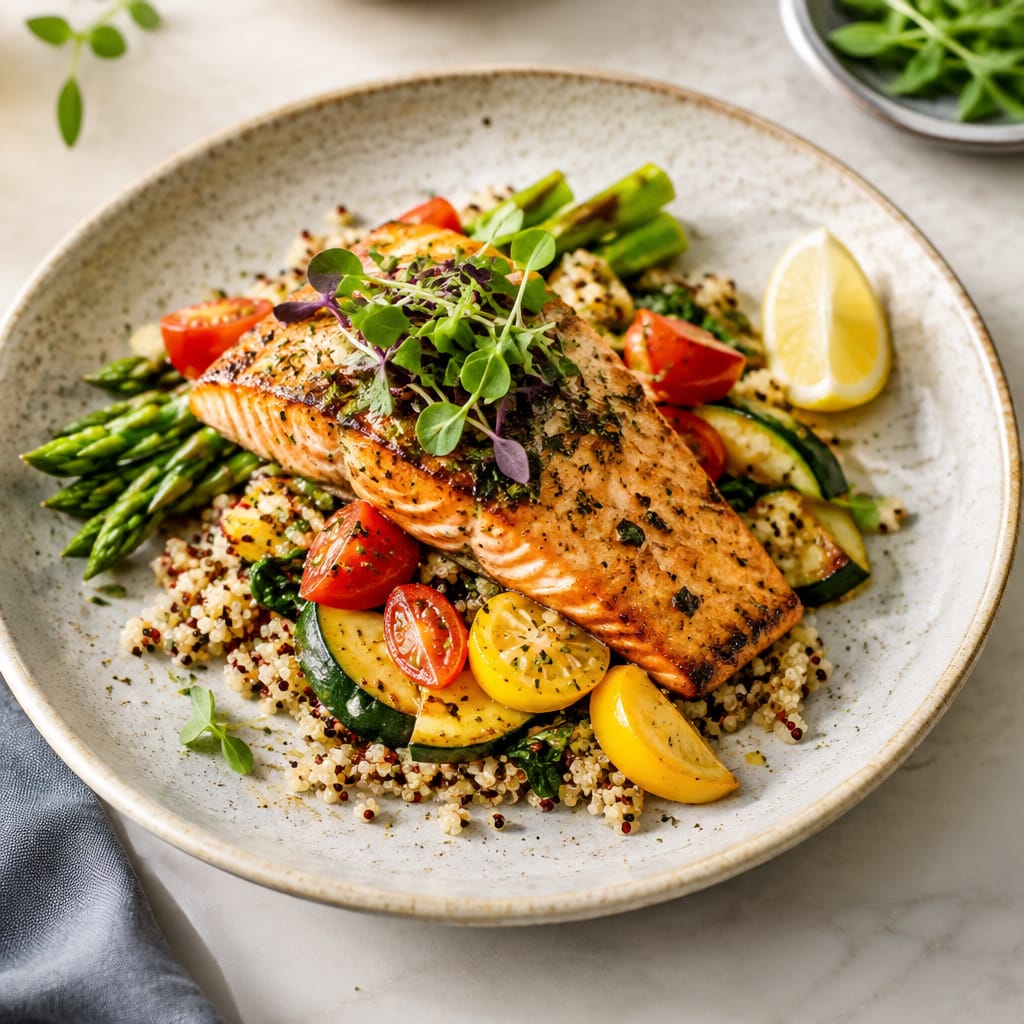
Open conversations at home help every member feel heard when multiple food allergies are in play. Parents who model calm, factual talks reduce anxiety and build trust with both kids and partners.
Daily Check-Ins That Work
Keep exchanges short and scheduled. A two-minute morning question such as “Any new foods we need to watch today?” keeps information fresh without turning into a lecture. Use the same neutral tone for good news and concerns.
- Rotate who leads the check-in so children practice speaking up.
- Write notes on a shared family board for visual learners.
- End each talk with one clear next step, like “We’ll read the label together before snack.”
Always check labels even on familiar brands, because formulations change.
Handling Big Feelings Together
Allergy worries can surface as frustration or withdrawal. Name the feeling first (“It sounds like you’re worried about the birthday party”), then offer a practical option. This sequence teaches emotional regulation while keeping safety central.
Consult your allergist before introducing any new management technique so it aligns with your child’s specific care plan.
Involving Extended Household Members
When grandparents or caregivers join meals, give them a one-page summary of current allergens and safe swaps. Review it together once, then let them ask questions. Clear, written expectations prevent last-minute confusion.
Family Communication Strategies for Multi-Allergy Households pair well with Sibling Roles That Strengthen Family Meals with Picky Eaters inside the Mada’s Meals app.
Get Mada's Meals →You may also like
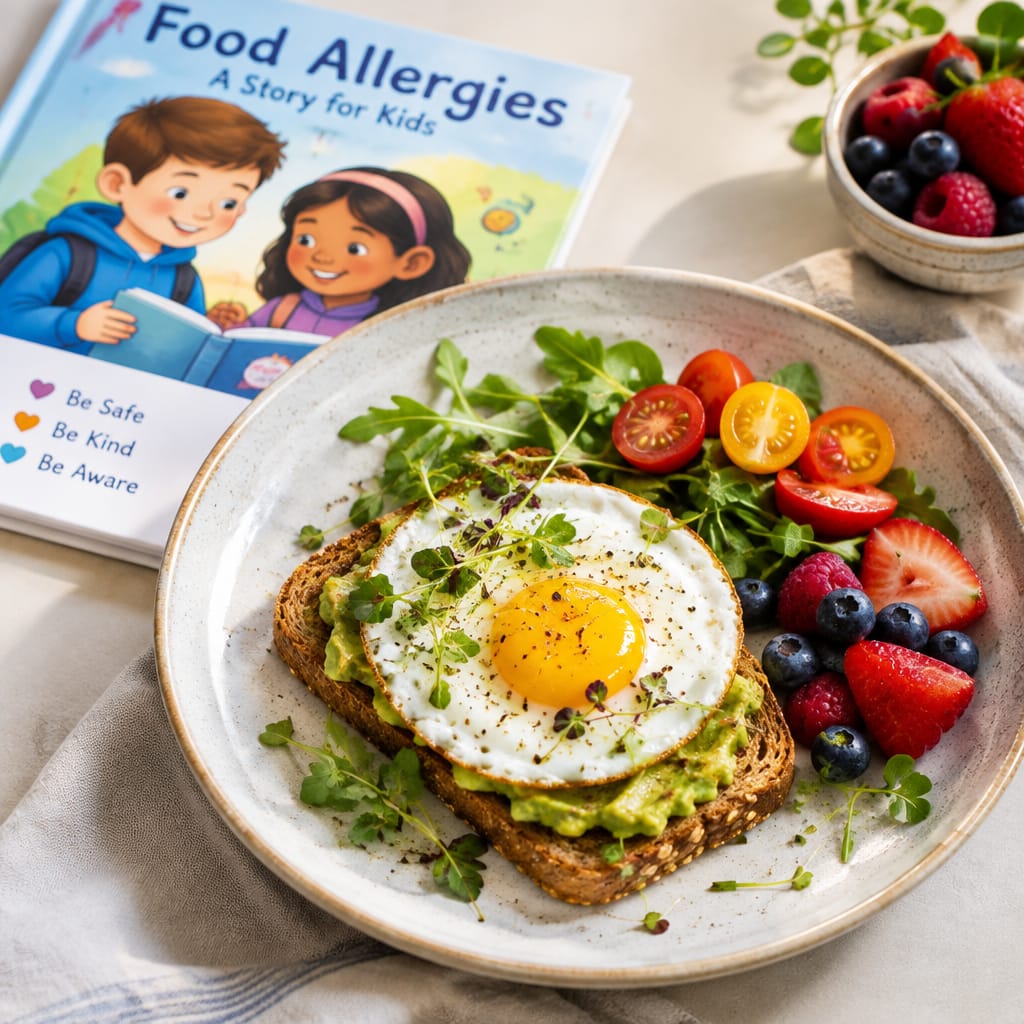
Story Time Routines That Teach Kids About Food Allergies
Story time routines that teach kids about food allergies help families talk openly while keeping mealtimes calm and connected.
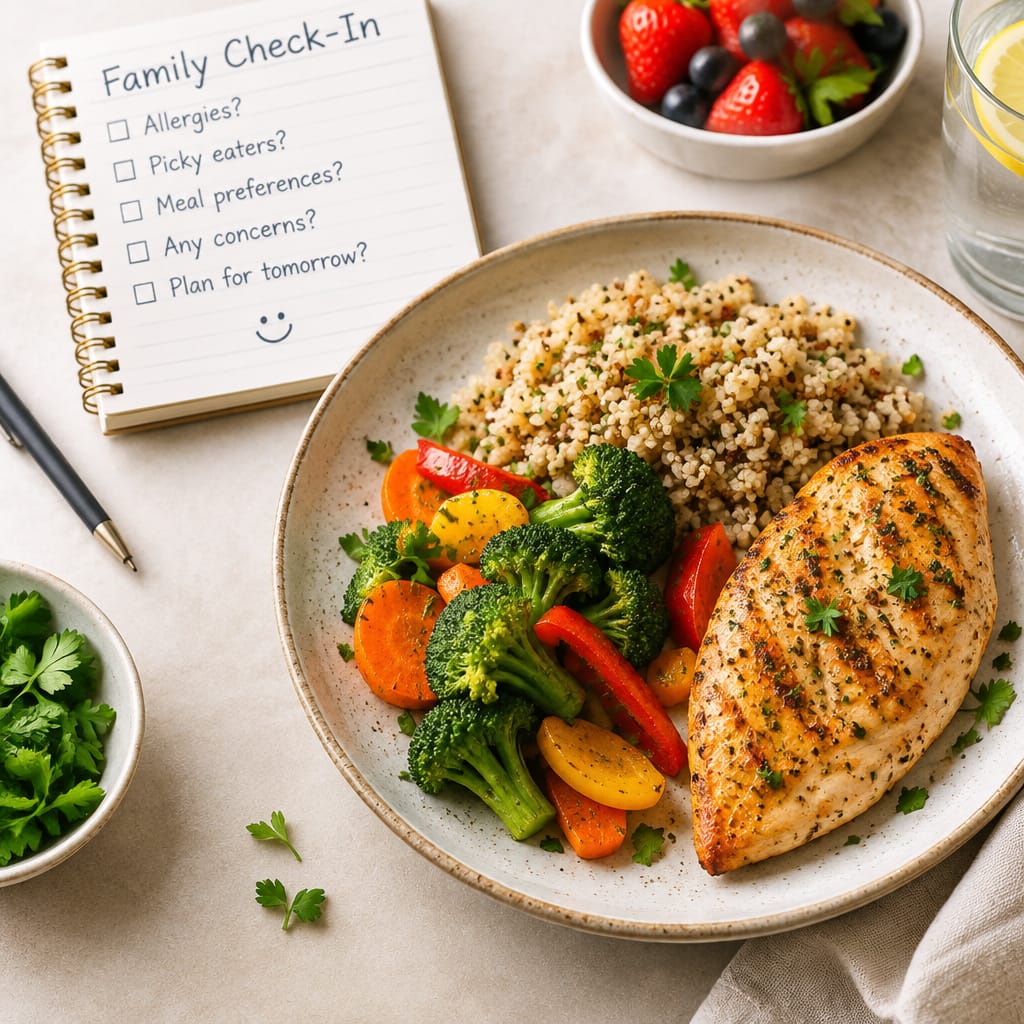
Family Check-Ins That Ease Daily Allergy Stress at Home
Simple daily family check-ins help manage food allergies and picky eating with less stress. Practical steps for busy households plus label safety reminders.
New Family Traditions with Safe Allergy-Friendly Foods
Build calm, repeatable family traditions around verified safe foods to ease allergy and picky eater stress at home.